

In the field of modern medical technology, a technique known as "reflective blood oxygen detection" is gradually emerging. With its non‑invasive, convenient, and effective characteristics, it is revolutionizing traditional methods of measuring blood oxygen saturation.
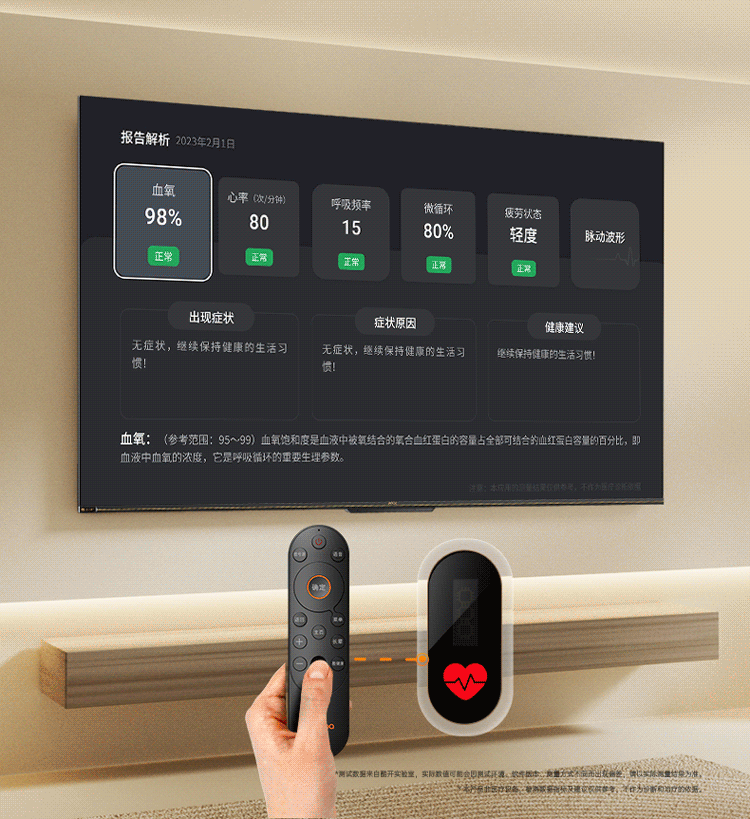
Reflective blood oxygen detection technology is based on spectroscopic principles. It uses specific wavelengths of red and infrared light to illuminate human tissues, typically the fingertip, earlobe, or other areas. After the light penetrates the skin and is absorbed by hemoglobin in the blood, the difference in absorption between the two wavelengths is used to calculate blood oxygen saturation. This method eliminates the need for skin puncture or probe insertion, greatly enhancing user comfort, and is particularly suitable for infants, the elderly, and patients who require long‑term blood oxygen monitoring.
Taking home care scenarios as an example, some portable smart wearable devices, such as health bands, have adopted reflective blood oxygen detection technology. Users simply wear the band on their wrist to monitor their blood oxygen levels in real time, detect hypoxemia symptoms early, and prevent potential health risks. The application of this technology not only makes personal health management more convenient but also reduces the burden on medical institutions, shifting healthcare from passive treatment to active prevention.
In addition, in special environments such as high‑altitude mountaineering and long‑haul flights, reflective blood oxygen detectors also play an important role. Since these environments are prone to causing hypoxia, regular blood oxygen monitoring helps prevent altitude sickness, in‑flight hypoxemia, and other issues, providing a crucial safeguard for life safety.
Furthermore, with technological advancements, reflective blood oxygen detection technology is continuously being optimized and refined. For example, improvements in light source quality and signal processing algorithms have enhanced the accuracy and stability of blood oxygen detection. In clinical medical research and practice, this technology has gradually become an important tool for assessing various conditions, including respiratory diseases, cardiovascular diseases, and sleep disorders.
In summary, reflective blood oxygen detection technology, with its unique advantages and broad application prospects, is gradually transforming people's concepts of health management and models of medical practice, becoming an important milestone in the development of modern medical technology. In the future, with greater research investment and breakthroughs in technological bottlenecks, this technology will demonstrate even stronger vitality and value in fields such as precision medicine and remote monitoring.